Contact us
Send Us Your Details
Please fill out the form below and a member of our team will be in contact with you.


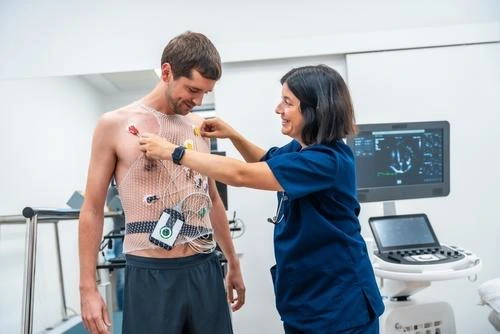
A stress test is a common diagnostic tool used to evaluate how well the heart functions during physical activity. It provides valuable information about blood flow, heart rhythm, and overall cardiovascular performance. At The Cardiac and Vascular Interventional Group in South Dallas, TX, patients undergo stress testing as part of a comprehensive approach to heart health and early detection. Understanding what happens after a stress test can help patients feel more informed and prepared for the next steps in care.
After a stress test, results are carefully reviewed to determine how the heart responded during activity. The test may reveal normal function, mild irregularities, or signs that blood flow to the heart is reduced. In some cases, changes in heart rhythm or blood pressure response may also be identified.
These findings help guide decisions about whether further evaluation or treatment is needed.
If a stress test shows normal heart function, patients are often encouraged to continue focusing on preventive care. This may include maintaining a healthy diet, staying physically active, and managing risk factors such as blood pressure and cholesterol levels.
Regular follow-up visits may still be recommended to monitor heart health over time.
If the stress test suggests reduced blood flow or other concerns, additional diagnostic testing may be recommended. This can include imaging studies or more detailed evaluations to better understand the underlying cause.
Further testing helps provide a clearer picture of heart function and supports more precise treatment planning.
Treatment after a stress test depends on the results and the patient’s overall health. Some patients may benefit from lifestyle adjustments, including changes to diet, physical activity, and stress management. Others may require medication to help manage blood pressure, cholesterol, or heart rhythm.
In more complex cases, advanced procedures may be considered to improve blood flow or address structural concerns.
Follow-up care plays an important role after a stress test. Monitoring allows providers to track changes in heart health and adjust treatment as needed. Patients are encouraged to report any new or worsening symptoms, such as chest discomfort or shortness of breath.
Consistent care helps reduce the risk of future complications.
A stress test is an important step in evaluating heart health, but it is only part of a larger care plan. At The Cardiac and Vascular Interventional Group in South Dallas, TX, patients receive comprehensive evaluation and personalized treatment designed to support long-term cardiovascular health.
To learn more about stress testing or to schedule an appointment, call (469) 437-3560 and take the next step toward understanding your heart health.