




Cardiovascular Disease
Cardiovascular Disease




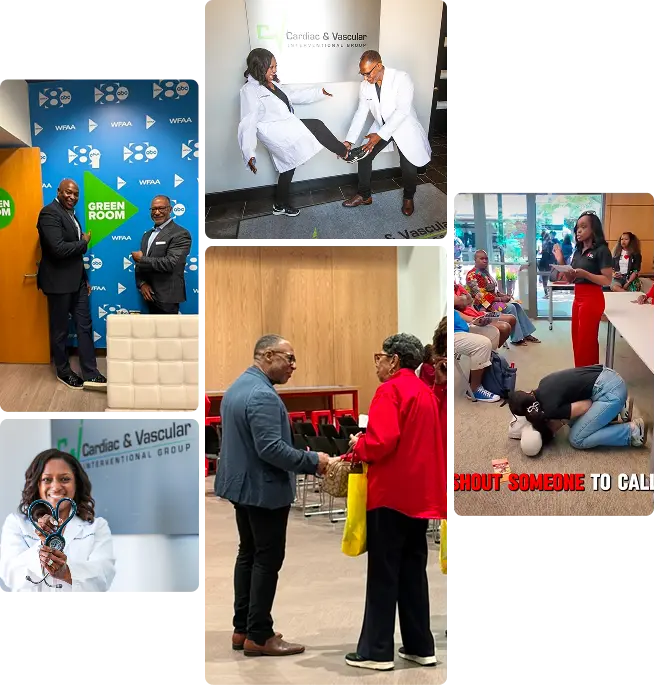
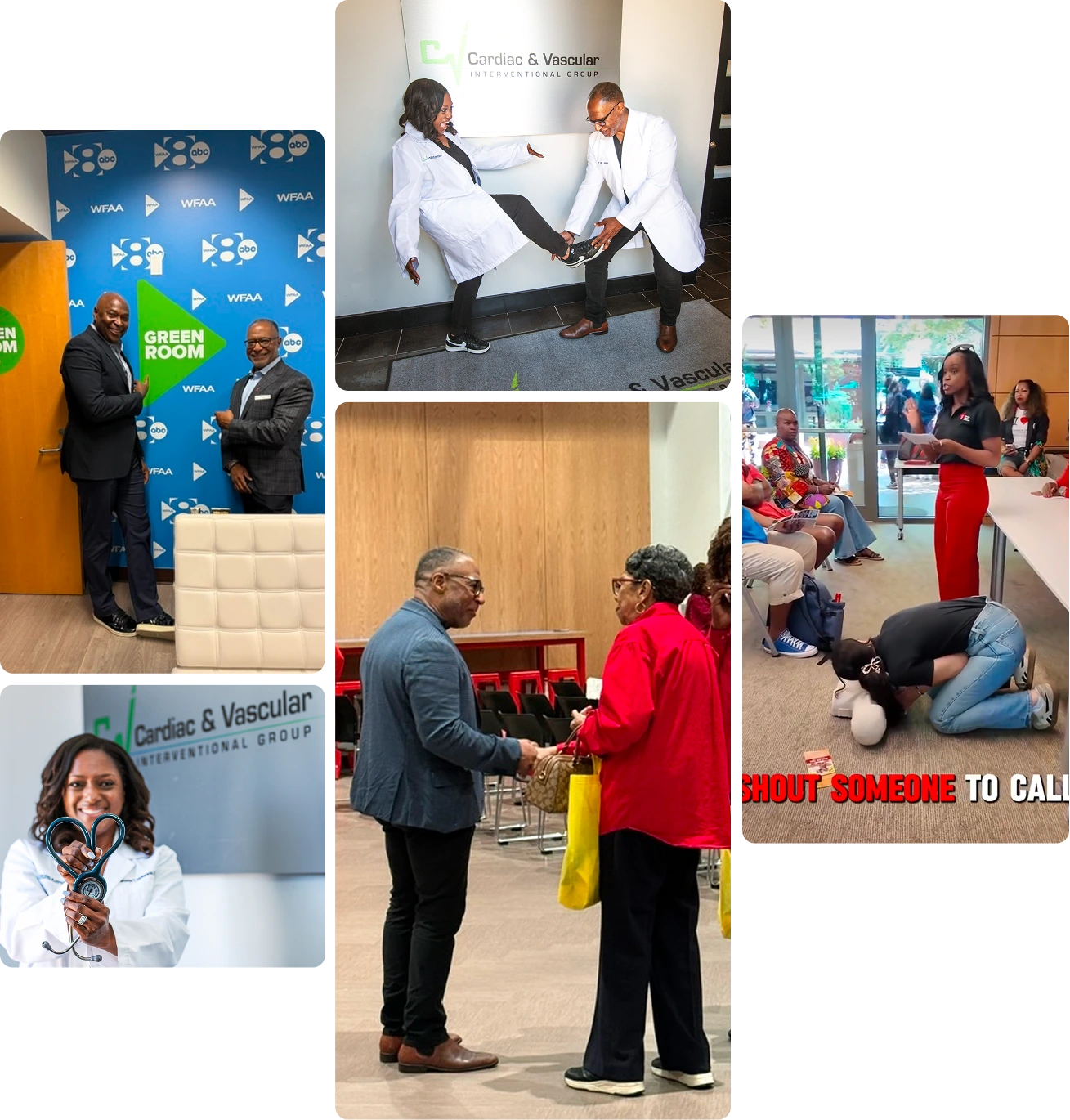
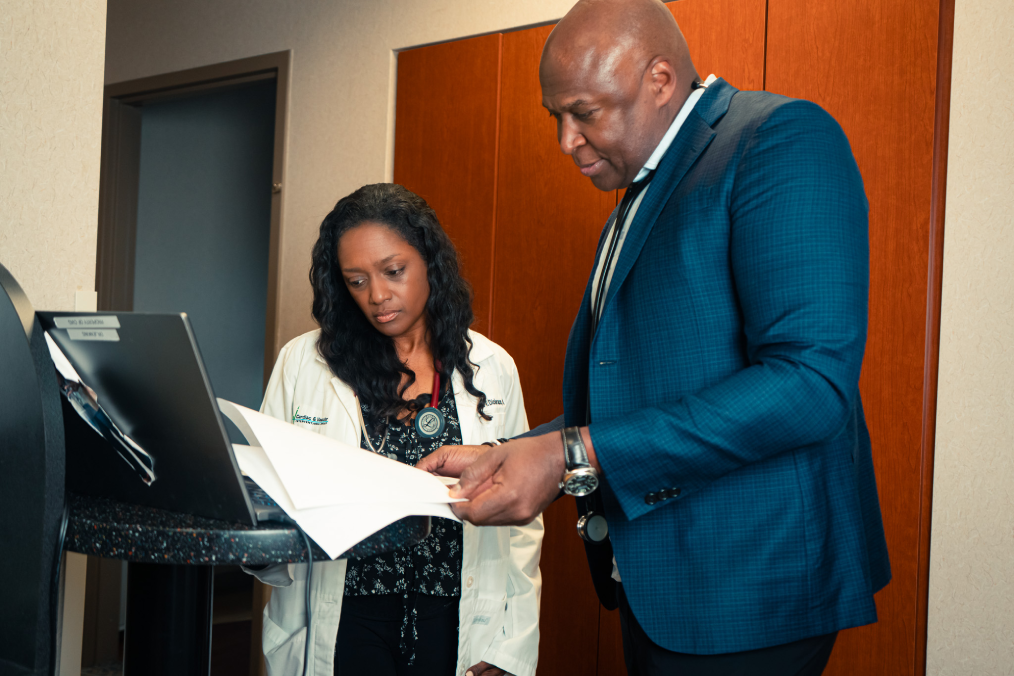
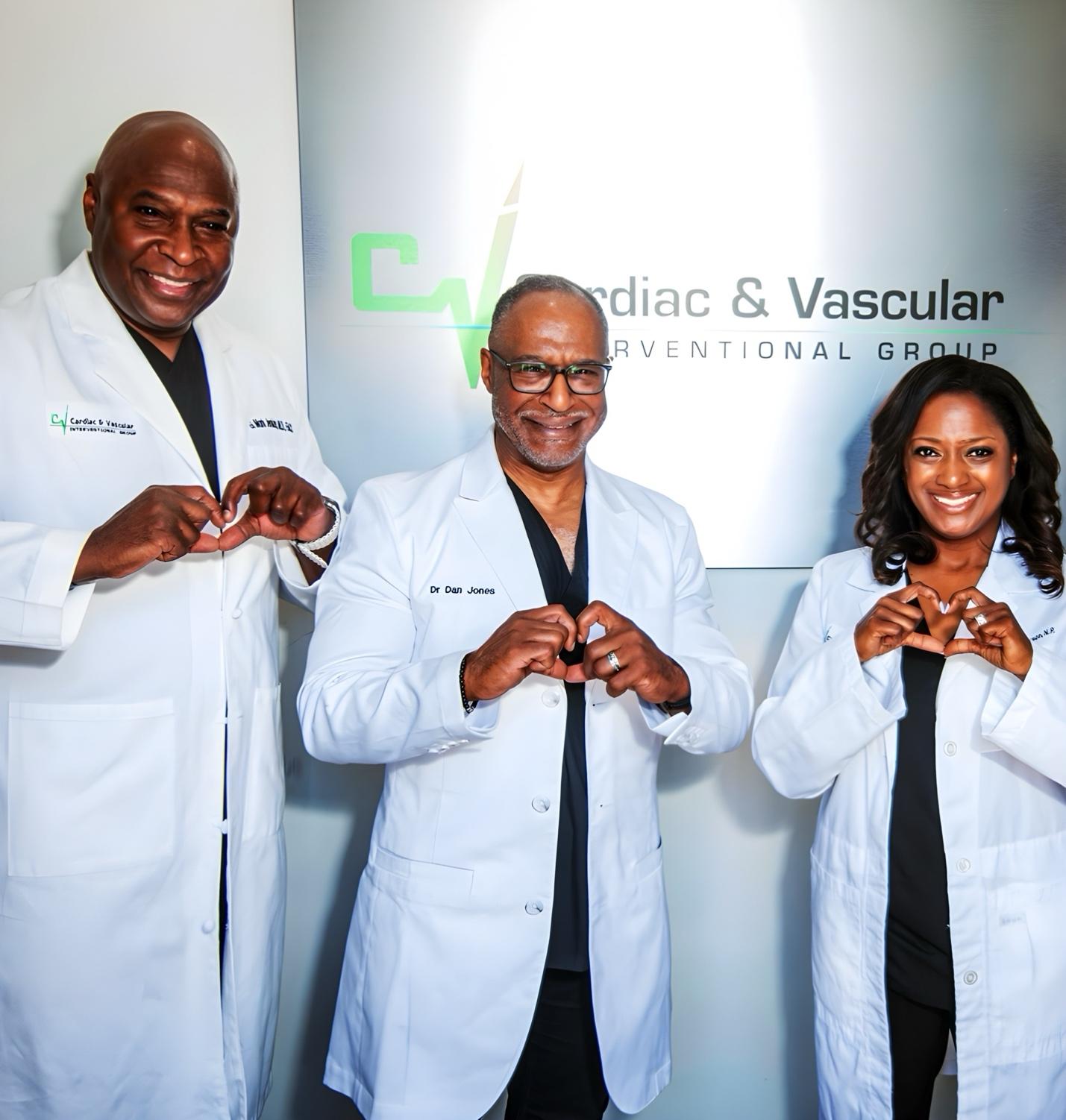
Welcome to the Cardiac & Vascular Interventional Group, where your heart health is at the center of everything we do. Serving the communities of Dallas and DeSoto, we are proud to offer compassionate, personalized care that combines the latest medical advances with the support of a dedicated heart and vascular healthcare team.
Advancements in medical technology have transformed the way heart and vascular conditions are diagnosed and treated. We utilize state-of-the-art tools to detect problems early, making interventions more effective and recovery faster. From routine screenings to minimally invasive procedures, we are equipped to provide care that helps prevent complications and supports long-term health. If you’re exploring options like angioplasty, EKGs and stress tests, HUTT tests, or Holter monitoring, our compassionate team is here to guide you toward better heart health.
Our team provides care for the heart that comes from the heart. We treat various heart and cardiovascular conditions, including:
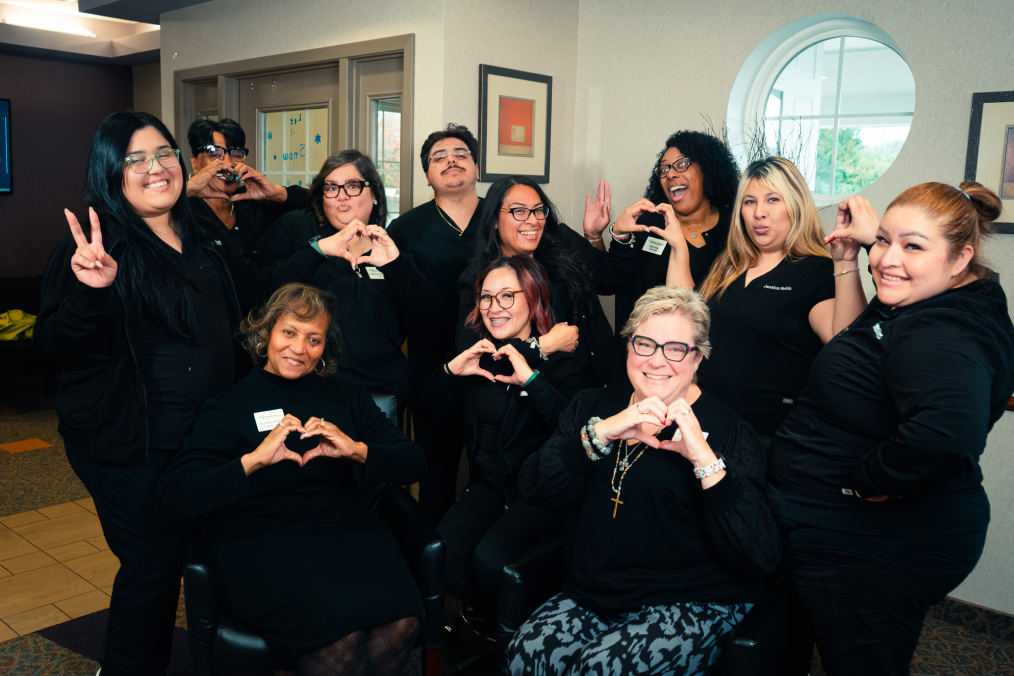
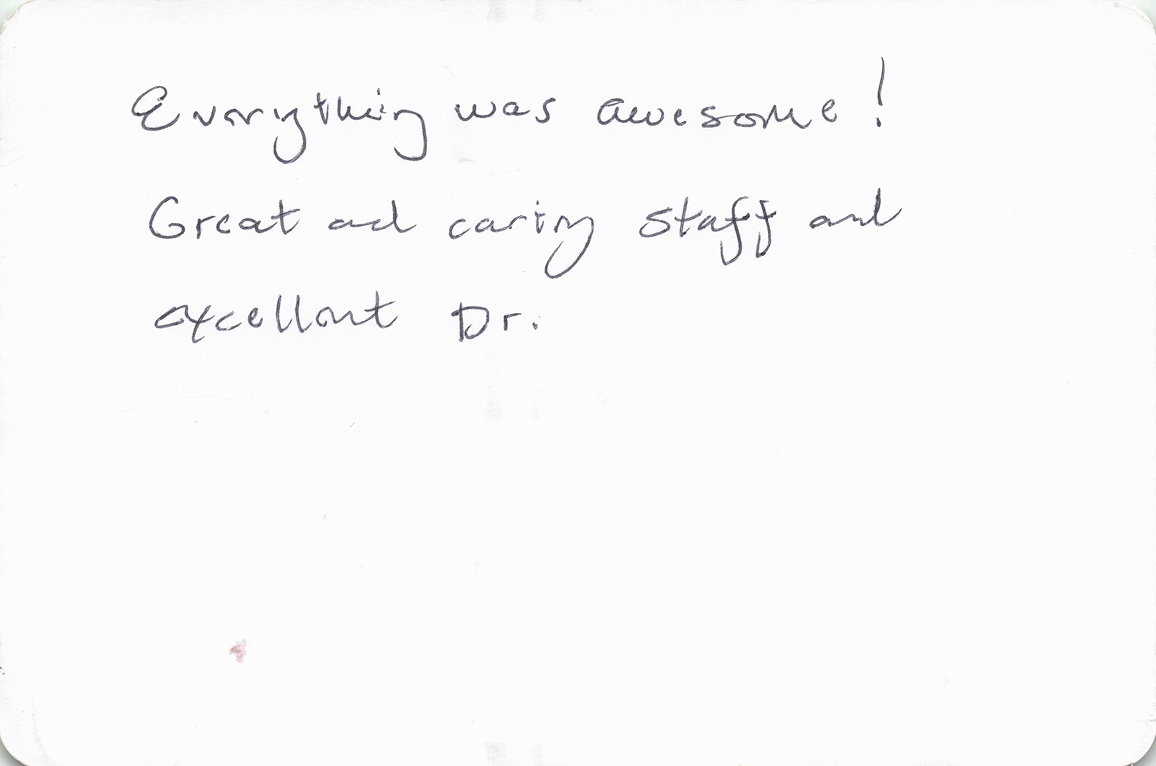
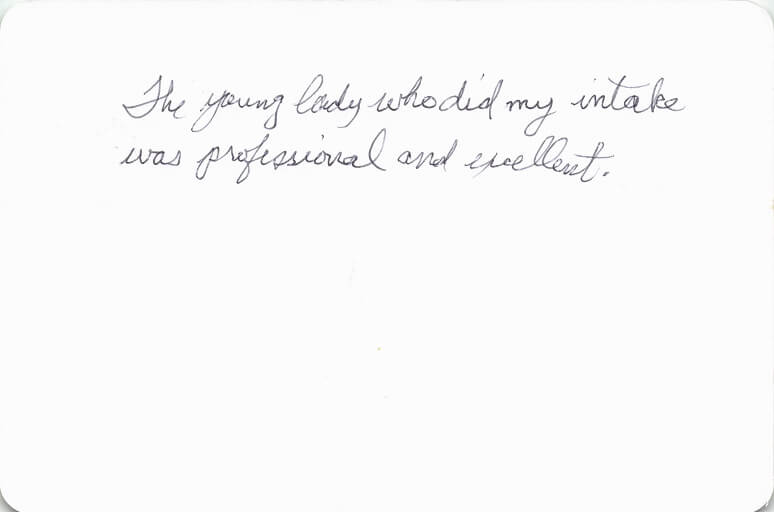
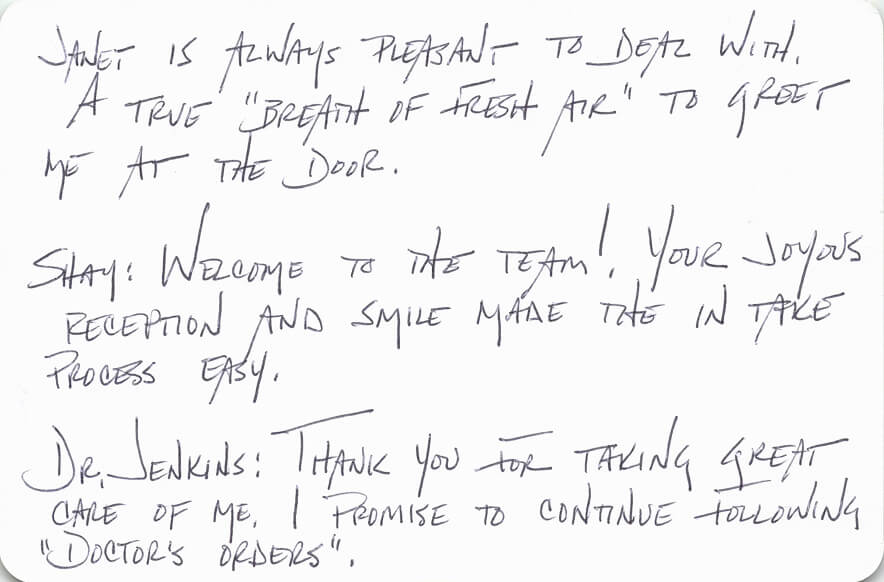
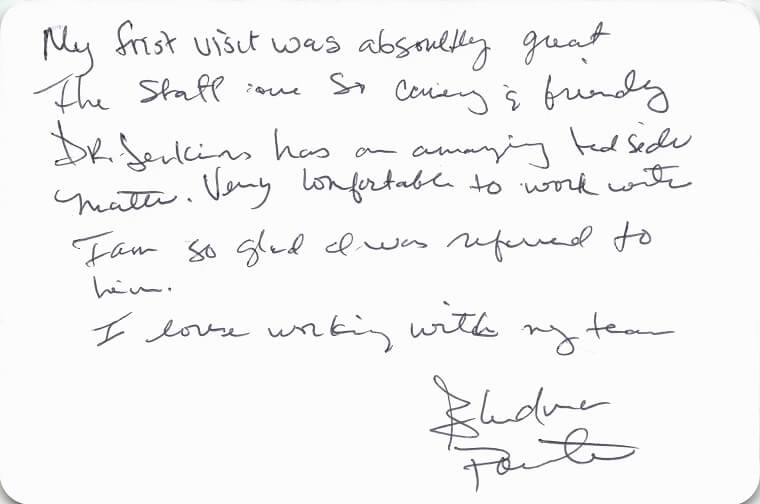
At Cardiac & Vascular Interventional Group, every patient who walks through our doors becomes part of our family, and every heartbeat becomes part of our shared mission. One Heart. One Family. One Mission.

Foot pain that won't quit, especially at rest or at night, can sometimes point to more than a foot problem. It may be an early sign of Peripheral Artery Disease (PAD), where narrowed arteries keep your feet from getting enough oxygen. If you've been seeing a podiatrist for ongoing foot pain without clear answers, it's worth asking whether circulation could be a factor. A simple vascular screening can help rule PAD in or out.
If your calves, thighs, or hips tighten up or cramp when you walk and ease up when you stop, it could be more than a muscle issue. This pattern, sometimes called claudication, can be a sign of reduced blood flow from PAD. Many people assume it's tied to aging, posture, or a joint problem, but circulation is often worth a closer look. A vascular evaluation can help clarify what's actually going on.
A foot sore that's been treated for weeks or months without closing may not just be a wound care issue. Poor circulation can slow or stall healing, which is one reason some wounds keep coming back despite careful management. If you or your podiatrist have been struggling with a sore that won't close, having your circulation checked can help identify whether PAD is part of the picture.
When even small cuts, blisters, or scrapes take far longer to heal than expected, circulation is sometimes part of the reason. This is especially worth considering in patients with diabetes, where PAD can go undetected for years. If your podiatrist is managing slow-healing wounds, a vascular workup can help confirm whether reduced blood flow is contributing and guide the next steps in treatment.
Toes that look pale, bluish, purple, or darker than usual can be a sign that blood isn't reaching them well. Other possible clues include skin that feels cold, looks shiny, or has lost hair, or a foot that turns red when lowered and pale when raised. Changes like these are sometimes early signs of PAD, and a vascular evaluation can help determine whether circulation is the underlying issue.
Foot pain that won't quit, especially at rest or at night, can sometimes point to more than a foot problem. It may be an early sign of Peripheral Artery Disease (PAD), where narrowed arteries keep your feet from getting enough oxygen. If you've been seeing a podiatrist for ongoing foot pain without clear answers, it's worth asking whether circulation could be a factor. A simple vascular screening can help rule PAD in or out.
If your calves, thighs, or hips tighten up or cramp when you walk and ease up when you stop, it could be more than a muscle issue. This pattern, sometimes called claudication, can be a sign of reduced blood flow from PAD. Many people assume it's tied to aging, posture, or a joint problem, but circulation is often worth a closer look. A vascular evaluation can help clarify what's actually going on.
A foot sore that's been treated for weeks or months without closing may not just be a wound care issue. Poor circulation can slow or stall healing, which is one reason some wounds keep coming back despite careful management. If you or your podiatrist have been struggling with a sore that won't close, having your circulation checked can help identify whether PAD is part of the picture.
When even small cuts, blisters, or scrapes take far longer to heal than expected, circulation is sometimes part of the reason. This is especially worth considering in patients with diabetes, where PAD can go undetected for years. If your podiatrist is managing slow-healing wounds, a vascular workup can help confirm whether reduced blood flow is contributing and guide the next steps in treatment.
Toes that look pale, bluish, purple, or darker than usual can be a sign that blood isn't reaching them well. Other possible clues include skin that feels cold, looks shiny, or has lost hair, or a foot that turns red when lowered and pale when raised. Changes like these are sometimes early signs of PAD, and a vascular evaluation can help determine whether circulation is the underlying issue.
Foot pain that won't quit, especially at rest or at night, can sometimes point to more than a foot problem. It may be an early sign of Peripheral Artery Disease (PAD), where narrowed arteries keep your feet from getting enough oxygen. If you've been seeing a podiatrist for ongoing foot pain without clear answers, it's worth asking whether circulation could be a factor. A simple vascular screening can help rule PAD in or out.
If your calves, thighs, or hips tighten up or cramp when you walk and ease up when you stop, it could be more than a muscle issue. This pattern, sometimes called claudication, can be a sign of reduced blood flow from PAD. Many people assume it's tied to aging, posture, or a joint problem, but circulation is often worth a closer look. A vascular evaluation can help clarify what's actually going on.
A foot sore that's been treated for weeks or months without closing may not just be a wound care issue. Poor circulation can slow or stall healing, which is one reason some wounds keep coming back despite careful management. If you or your podiatrist have been struggling with a sore that won't close, having your circulation checked can help identify whether PAD is part of the picture.
When even small cuts, blisters, or scrapes take far longer to heal than expected, circulation is sometimes part of the reason. This is especially worth considering in patients with diabetes, where PAD can go undetected for years. If your podiatrist is managing slow-healing wounds, a vascular workup can help confirm whether reduced blood flow is contributing and guide the next steps in treatment.
Toes that look pale, bluish, purple, or darker than usual can be a sign that blood isn't reaching them well. Other possible clues include skin that feels cold, looks shiny, or has lost hair, or a foot that turns red when lowered and pale when raised. Changes like these are sometimes early signs of PAD, and a vascular evaluation can help determine whether circulation is the underlying issue.




Your heart is at the center of everything you do. That’s why at Cardiac & Vascular Interventional Group, our mission is to provide care that is compassionate, personalized, and focused on full recovery. You should feel safe and welcome in a setting designed to support your health journey.
Heart and vascular conditions can develop quietly, often without obvious warning signs. Waiting to seek care can put your health at risk and add unnecessary stress to you and your loved ones. The Cardiac & Vascular Interventional Group encourages patients and families to take heart health seriously today, before complications arise tomorrow.
We are proud to serve the Dallas and DeSoto communities with compassionate, high-quality care for everyone. Our medical professionals provide evidence-based treatments while focusing on educating and guiding you through your health journey. We strive to raise awareness about cardiovascular health and create a safe, supportive environment where you can feel empowered to take control of your wellbeing.
It’s time to put your heart health first. Schedule an appointment with Cardiac & Vascular Interventional Group and take the first step toward a healthier, happier heart.