Contact us
Send Us Your Details
Please fill out the form below and a member of our team will be in contact with you.


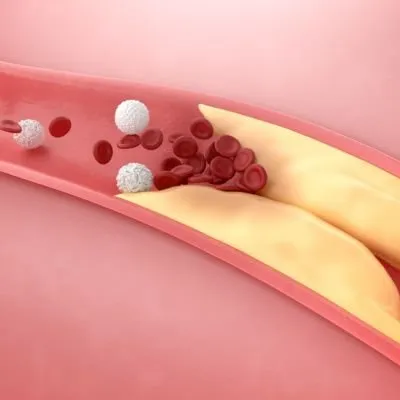
Coronary Artery Disease (CAD) stands as a prevalent and critical cardiovascular condition that demands a nuanced understanding. In this exploration, we delve into the intricate landscape of CAD, unraveling its definition, risk factors, symptoms, diagnostic approaches, and the importance of proactive management.
Coronary Artery Disease, often abbreviated as CAD, is a heart condition characterized by the narrowing or blockage of the coronary arteries, the blood vessels responsible for supplying oxygen and nutrients to the heart muscle. This process, known as atherosclerosis, involves the gradual accumulation of plaque—composed of cholesterol, fat, calcium, and other substances—within the arterial walls, restricting blood flow to the heart.
The Culprits Behind CAD: Unveiling the Risk Factors
Understanding the factors that contribute to the development of CAD is pivotal for both prevention and early intervention. Several elements can heighten an individual’s risk:
One hallmark of CAD is its often silent progression, with symptoms manifesting when the disease has advanced. However, as the condition progresses, individuals may experience:
Diagnosing CAD involves a combination of medical history assessment, physical examinations, and various diagnostic tests:
Managing CAD involves a multifaceted approach aimed at alleviating symptoms, preventing complications, and improving overall heart health:
While CAD poses significant challenges, effective management can lead to a fulfilling life. Adhering to prescribed medications, embracing lifestyle modifications, and maintaining regular communication with healthcare providers are essential components of this journey.
In conclusion, understanding Coronary Artery Disease empowers individuals to take charge of their cardiovascular health. By recognizing risk factors, embracing preventative measures, and seeking timely medical intervention, individuals can navigate the complexities of CAD and work towards ensuring the longevity of their heart health. Regular consultations with healthcare professionals and a commitment to long-term well-being are key elements in the journey towards effective CAD management.


Disclaimer:
The information on this website is provided for educational and information purposes only and is not medical advice. Always consult with a licensed medical provider and follow their recommendations regardless of what you read on this website. If you think you are having a medical emergency, dial 911 or go to the nearest emergency room. Links to other third-party websites are provided for your convenience only. If you decide to access any of the third-party websites, you do so entirely at your own risk and subject to the terms of use for those websites. Neither The Cardiac and Vascular Interventional Group, nor any contributor to this website, makes any representation, express or implied, regarding the information provided on this website or any information you may access on a third-party website using a link. Use of this website does not establish a doctor-patient relationship. If you would like to request an appointment with a health care provider, please call our office at (469) 437-3560.