Contact us
Send Us Your Case Details
We’ll respond and let you know the best way to proceed with your case.


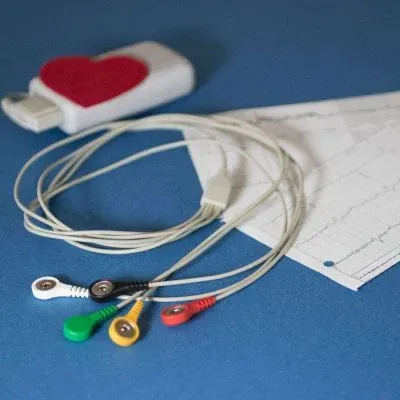
Holter monitoring, a powerful diagnostic tool in cardiology, provides a continuous and detailed snapshot of the heart’s electrical activity over an extended period. In this exploration, we delve into the purpose, procedure, applications, and significance of Holter monitoring in cardiovascular care.
Holter monitoring, named after its inventor, Dr. Norman Holter, involves using a portable device to record the heart’s electrical activity continuously. Unlike a standard electrocardiogram (ECG or EKG), which captures a brief snapshot, a Holter monitor records data over 24 to 48 hours or even longer. This extended monitoring period allows healthcare providers to evaluate cardiac rhythms during daily activities, offering a more comprehensive assessment.
Holter monitoring is employed in various clinical scenarios, including:
Holter monitoring offers several advantages in comparison to traditional EKGs:
While Holter monitoring is a valuable diagnostic tool, it does have limitations. The short monitoring duration may cause intermittent or longer-term abnormalities, and the inconvenience of wearing the device may affect daily activities. In some instances, additional diagnostic modalities or longer-term monitoring may be recommended for a more comprehensive assessment.
Advancements in technology have led to the development of digital Holter monitors, which offer enhanced data storage and analysis capabilities. Digital Holter monitors provide more detailed information, allowing for a more precise evaluation of cardiac rhythms and facilitating easier data transmission for remote analysis.
Holter monitoring is a pillar in cardiac diagnostics, providing a continuous and real-world assessment of the heart’s electrical activity. From uncovering intermittent arrhythmias to assessing the effectiveness of treatment interventions, Holter monitoring plays a pivotal role in managing various cardiac conditions. As technology continues to evolve, Holter monitoring remains a dynamic and indispensable tool, offering valuable insights into the intricate dance of the heart’s rhythms. It is a testament to the intersection of medicine and technology, enhancing our ability to understand and care for the complex nature of the human heart.


Disclaimer:
The information on this website is provided for educational and information purposes only and is not medical advice. Always consult with a licensed medical provider and follow their recommendations regardless of what you read on this website. If you think you are having a medical emergency, dial 911 or go to the nearest emergency room. Links to other third-party websites are provided for your convenience only. If you decide to access any of the third-party websites, you do so entirely at your own risk and subject to the terms of use for those websites. Neither The Cardiac and Vascular Interventional Group, nor any contributor to this website, makes any representation, express or implied, regarding the information provided on this website or any information you may access on a third-party website using a link. Use of this website does not establish a doctor-patient relationship. If you would like to request an appointment with a health care provider, please call our office at (469) 437-3560.