Book An Appointment
(469) 437-3560

One Heart. One Family. One Mission.

One Heart.
One Family.
One Mission.
Compassionate, expert cardiology with a focus on prevention, longevity, and restoring quality of life.
Our Mission
One Heart. One Family. One Mission.

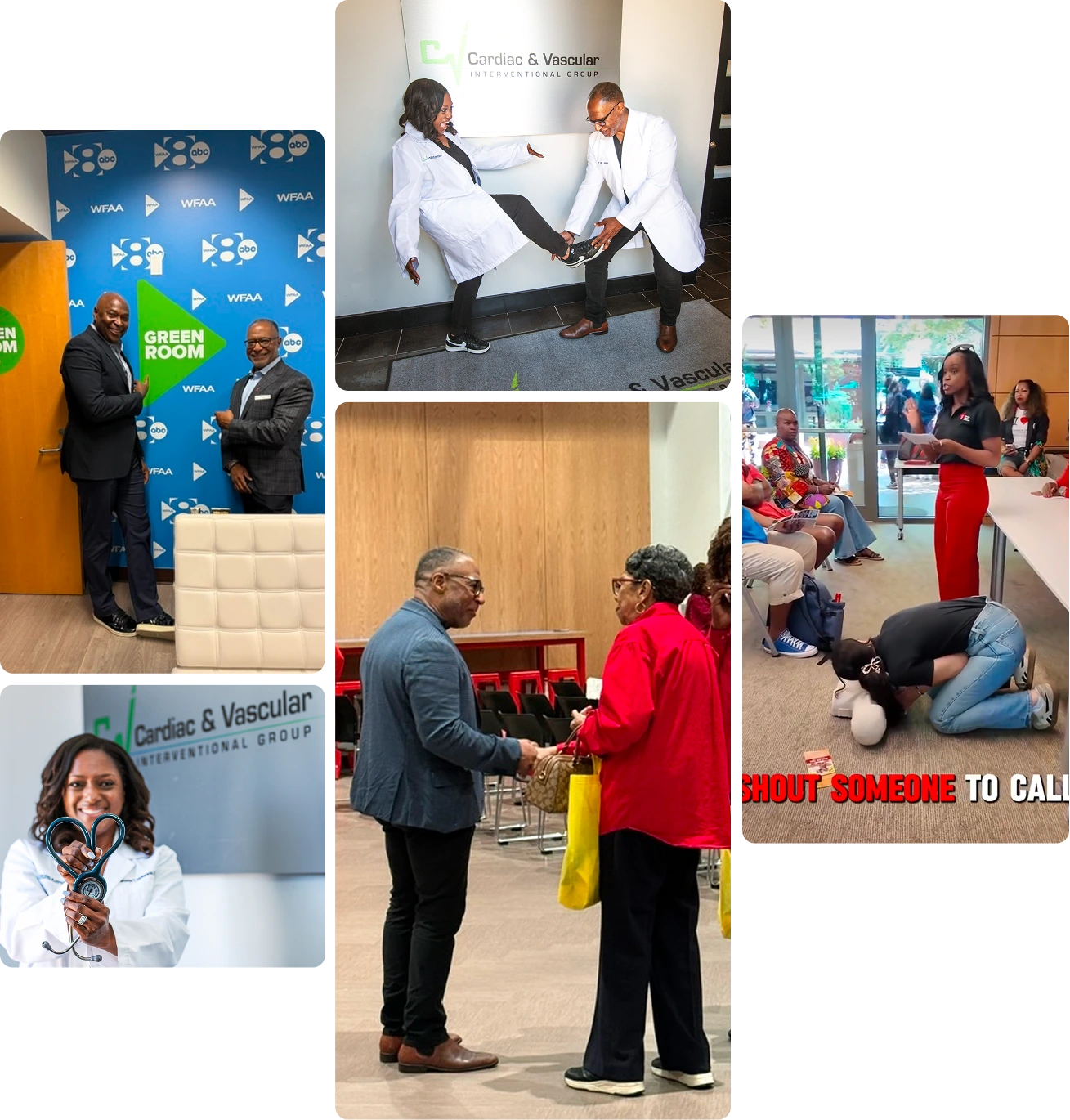
At Cardiac & Vascular Interventional Group, our mission is to provide compassionate, family-centered heart and vascular care for patients in Dallas, DeSoto, and throughout North Texas. We are committed to combining clinical excellence with genuine care, using advanced technology, education, and awareness to help detect and treat cardiovascular conditions as early as possible.

We believe every patient deserves care that is personal, respectful, and rooted in trust. By serving patients of all backgrounds and working to close gaps in healthcare, we strive to make a meaningful difference in the heart health of the communities we serve.

Meet The Team
Our Providers
Meet The Team
Our Providers
About Us
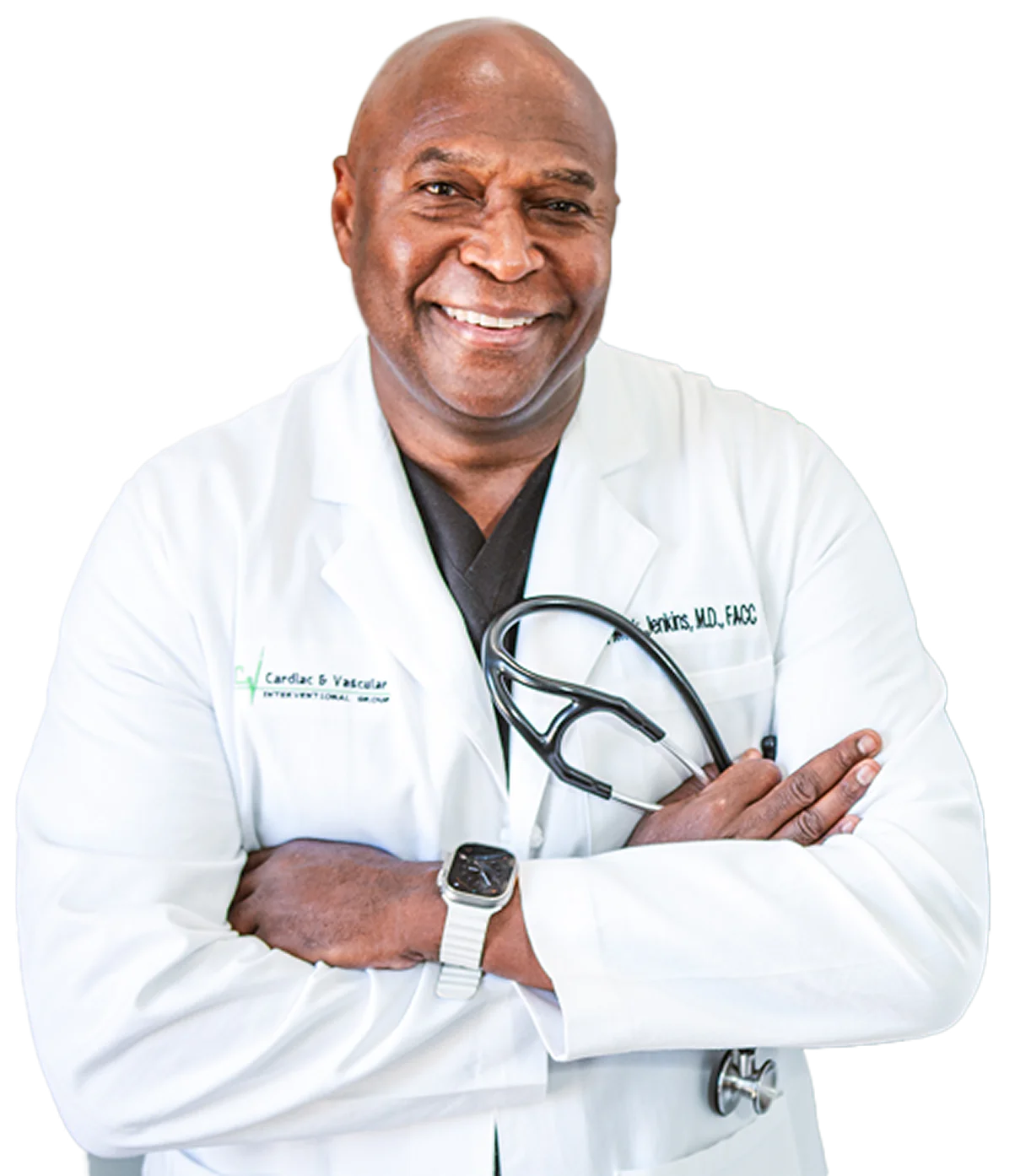
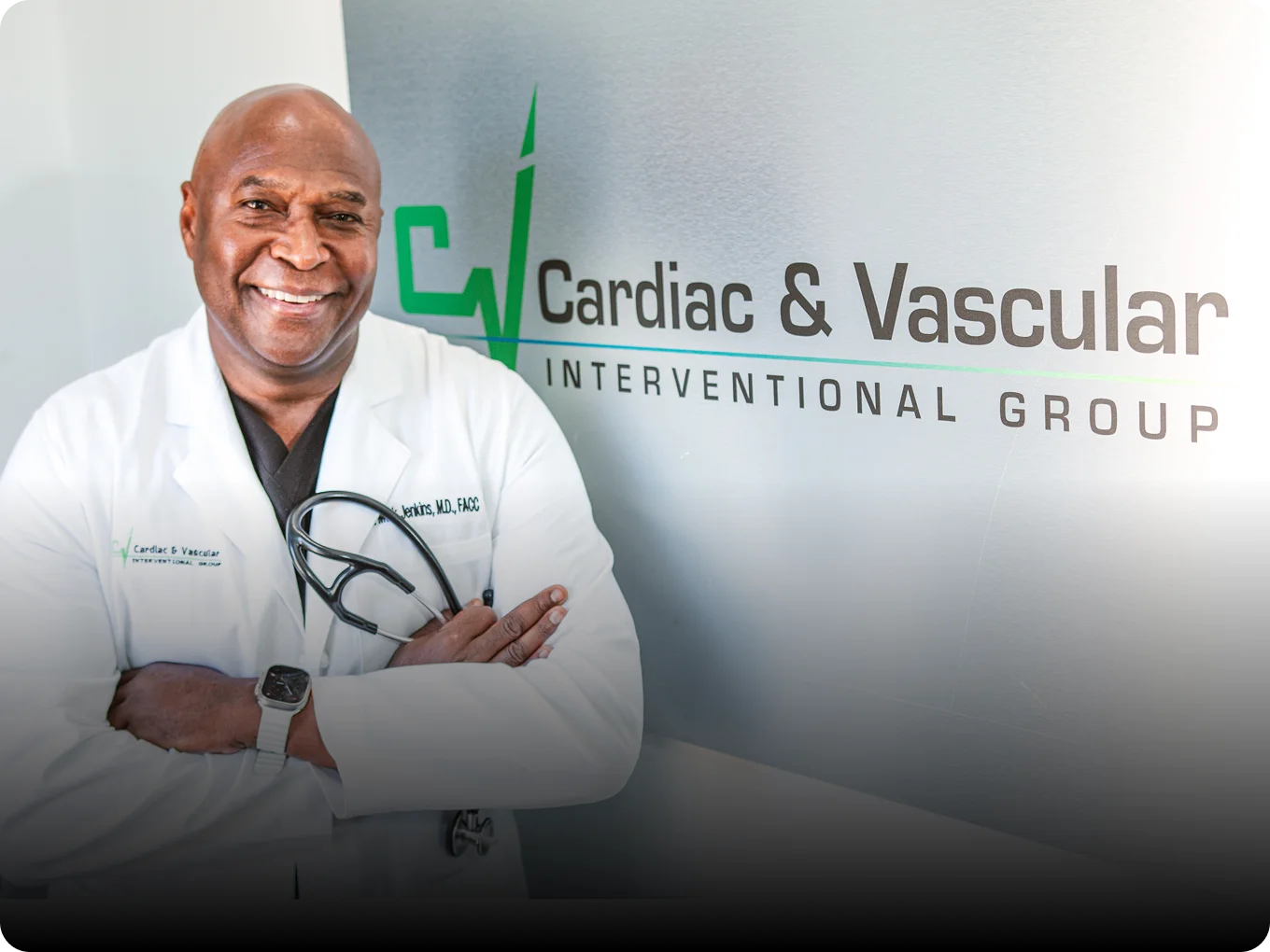
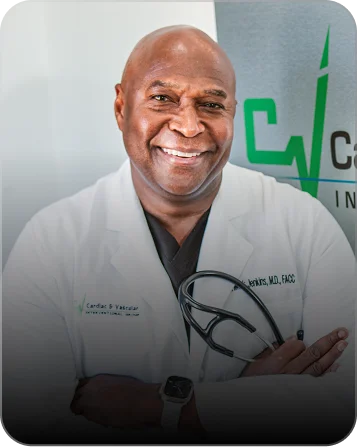
Dr. G. Mark Jenkins
CEO/Founder, MD, FACC
View Bio
About Us
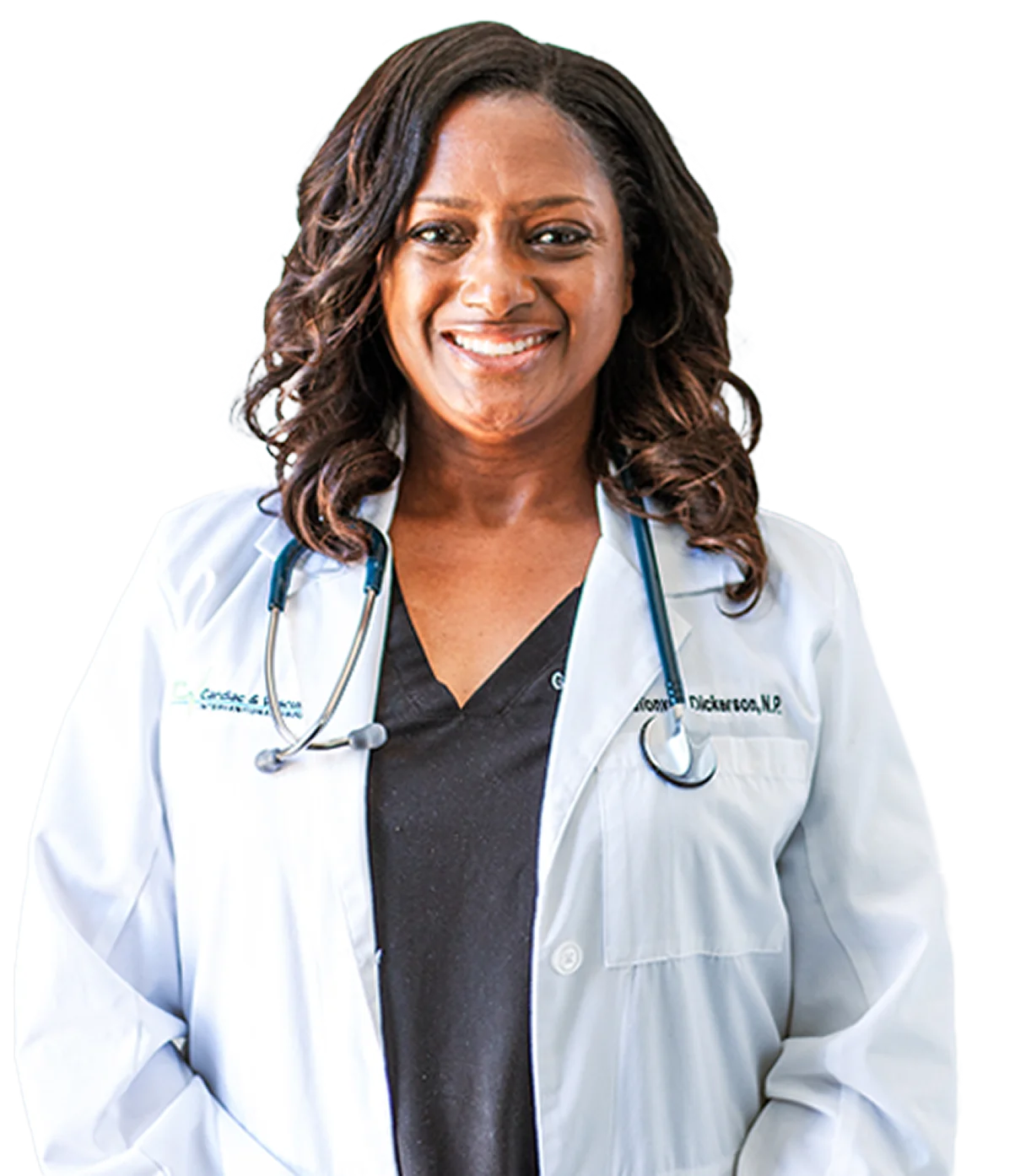
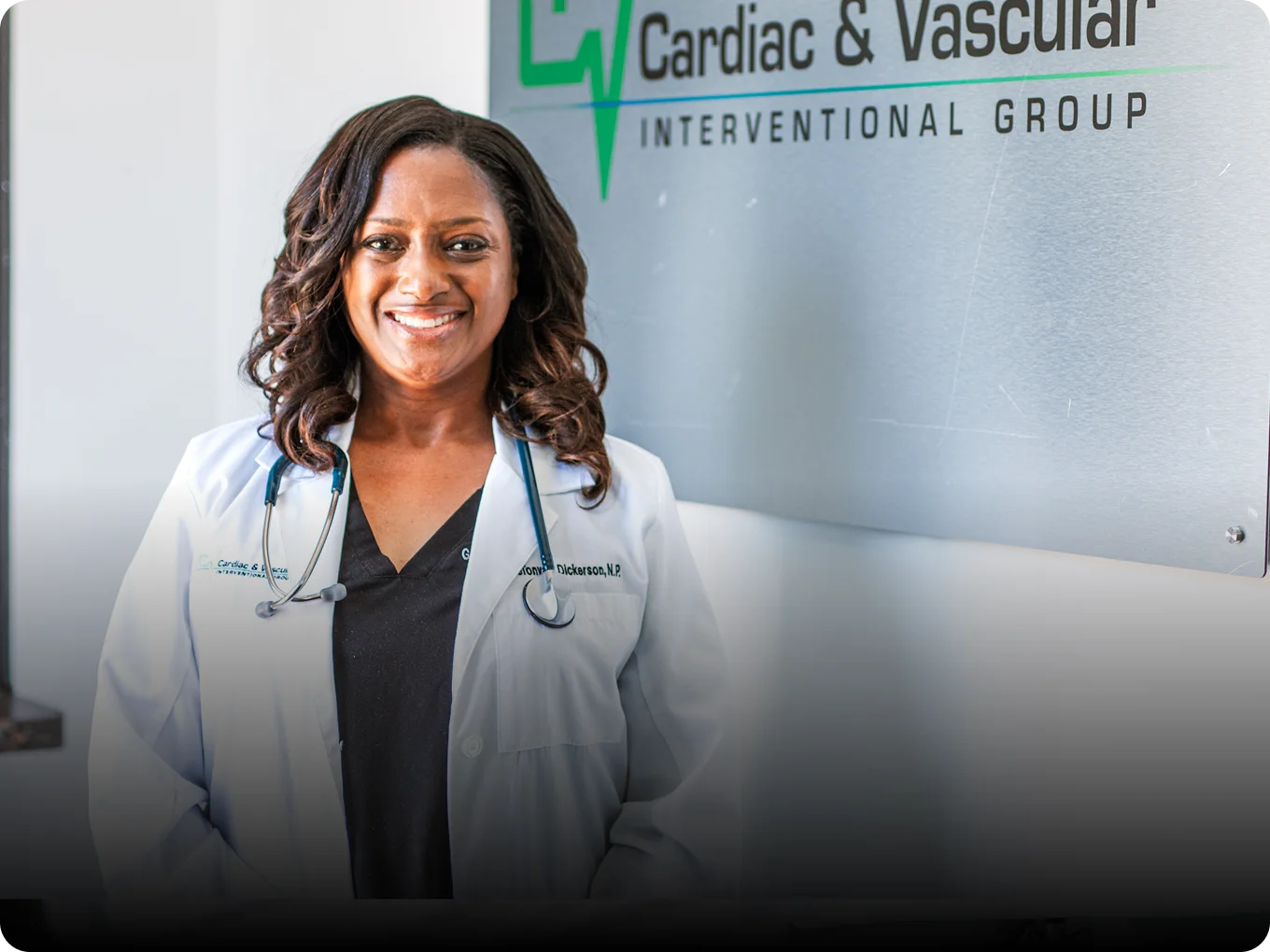
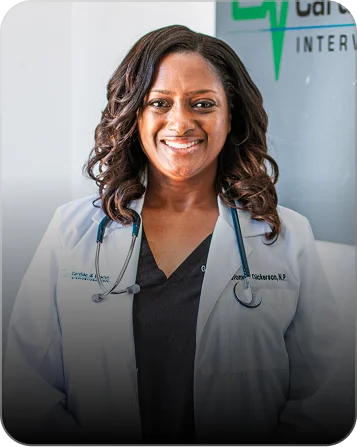
GeTonya Dickerson
AGACNP
View Bio
Meet The Team
Our Providers
About UsAbout UsAbout Us
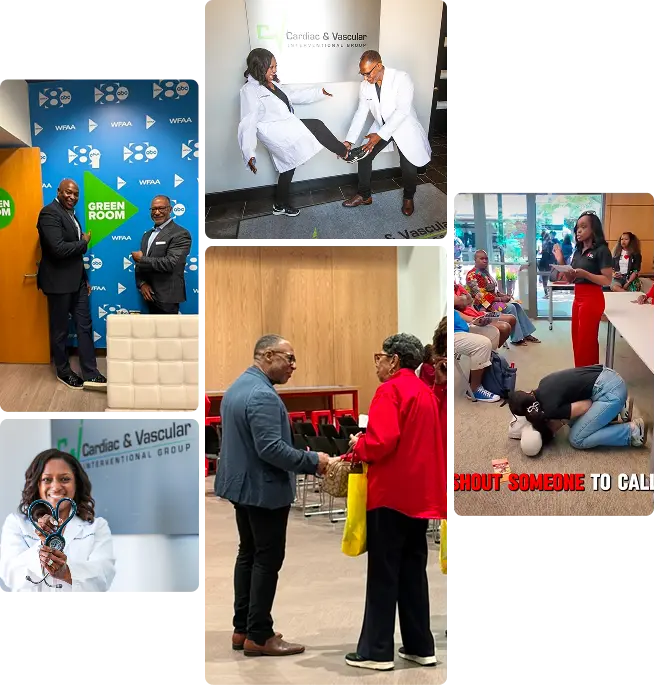
Committed to the Communities We Serve
Where Every Heart Matters
About Us
Did you know?
Signs of Peripheral
Artery Disease
Foot pain that won't quit, especially at rest or at night, can sometimes point to more than a foot problem. It may be an early sign of Peripheral Artery Disease (PAD), where narrowed arteries keep your feet from getting enough oxygen. If you've been seeing a podiatrist for ongoing foot pain without clear answers, it's worth asking whether circulation could be a factor. A simple vascular screening can help rule PAD in or out.
If your calves, thighs, or hips tighten up or cramp when you walk and ease up when you stop, it could be more than a muscle issue. This pattern, sometimes called claudication, can be a sign of reduced blood flow from PAD. Many people assume it's tied to aging, posture, or a joint problem, but circulation is often worth a closer look. A vascular evaluation can help clarify what's actually going on.

A foot sore that's been treated for weeks or months without closing may not just be a wound care issue. Poor circulation can slow or stall healing, which is one reason some wounds keep coming back despite careful management. If you or your podiatrist have been struggling with a sore that won't close, having your circulation checked can help identify whether PAD is part of the picture.

When even small cuts, blisters, or scrapes take far longer to heal than expected, circulation is sometimes part of the reason. This is especially worth considering in patients with diabetes, where PAD can go undetected for years. If your podiatrist is managing slow-healing wounds, a vascular workup can help confirm whether reduced blood flow is contributing and guide the next steps in treatment.

Toes that look pale, bluish, purple, or darker than usual can be a sign that blood isn't reaching them well. Other possible clues include skin that feels cold, looks shiny, or has lost hair, or a foot that turns red when lowered and pale when raised. Changes like these are sometimes early signs of PAD, and a vascular evaluation can help determine whether circulation is the underlying issue.

About Us
Did you know?
Signs of Peripheral
Artery Disease
Foot pain that won't quit, especially at rest or at night, can sometimes point to more than a foot problem. It may be an early sign of Peripheral Artery Disease (PAD), where narrowed arteries keep your feet from getting enough oxygen. If you've been seeing a podiatrist for ongoing foot pain without clear answers, it's worth asking whether circulation could be a factor. A simple vascular screening can help rule PAD in or out.
If your calves, thighs, or hips tighten up or cramp when you walk and ease up when you stop, it could be more than a muscle issue. This pattern, sometimes called claudication, can be a sign of reduced blood flow from PAD. Many people assume it's tied to aging, posture, or a joint problem, but circulation is often worth a closer look. A vascular evaluation can help clarify what's actually going on.

A foot sore that's been treated for weeks or months without closing may not just be a wound care issue. Poor circulation can slow or stall healing, which is one reason some wounds keep coming back despite careful management. If you or your podiatrist have been struggling with a sore that won't close, having your circulation checked can help identify whether PAD is part of the picture.

When even small cuts, blisters, or scrapes take far longer to heal than expected, circulation is sometimes part of the reason. This is especially worth considering in patients with diabetes, where PAD can go undetected for years. If your podiatrist is managing slow-healing wounds, a vascular workup can help confirm whether reduced blood flow is contributing and guide the next steps in treatment.

Toes that look pale, bluish, purple, or darker than usual can be a sign that blood isn't reaching them well. Other possible clues include skin that feels cold, looks shiny, or has lost hair, or a foot that turns red when lowered and pale when raised. Changes like these are sometimes early signs of PAD, and a vascular evaluation can help determine whether circulation is the underlying issue.

About Us
Did you know?
Signs of Peripheral
Artery Disease

Foot pain that won't quit, especially at rest or at night, can sometimes point to more than a foot problem. It may be an early sign of Peripheral Artery Disease (PAD), where narrowed arteries keep your feet from getting enough oxygen. If you've been seeing a podiatrist for ongoing foot pain without clear answers, it's worth asking whether circulation could be a factor. A simple vascular screening can help rule PAD in or out.
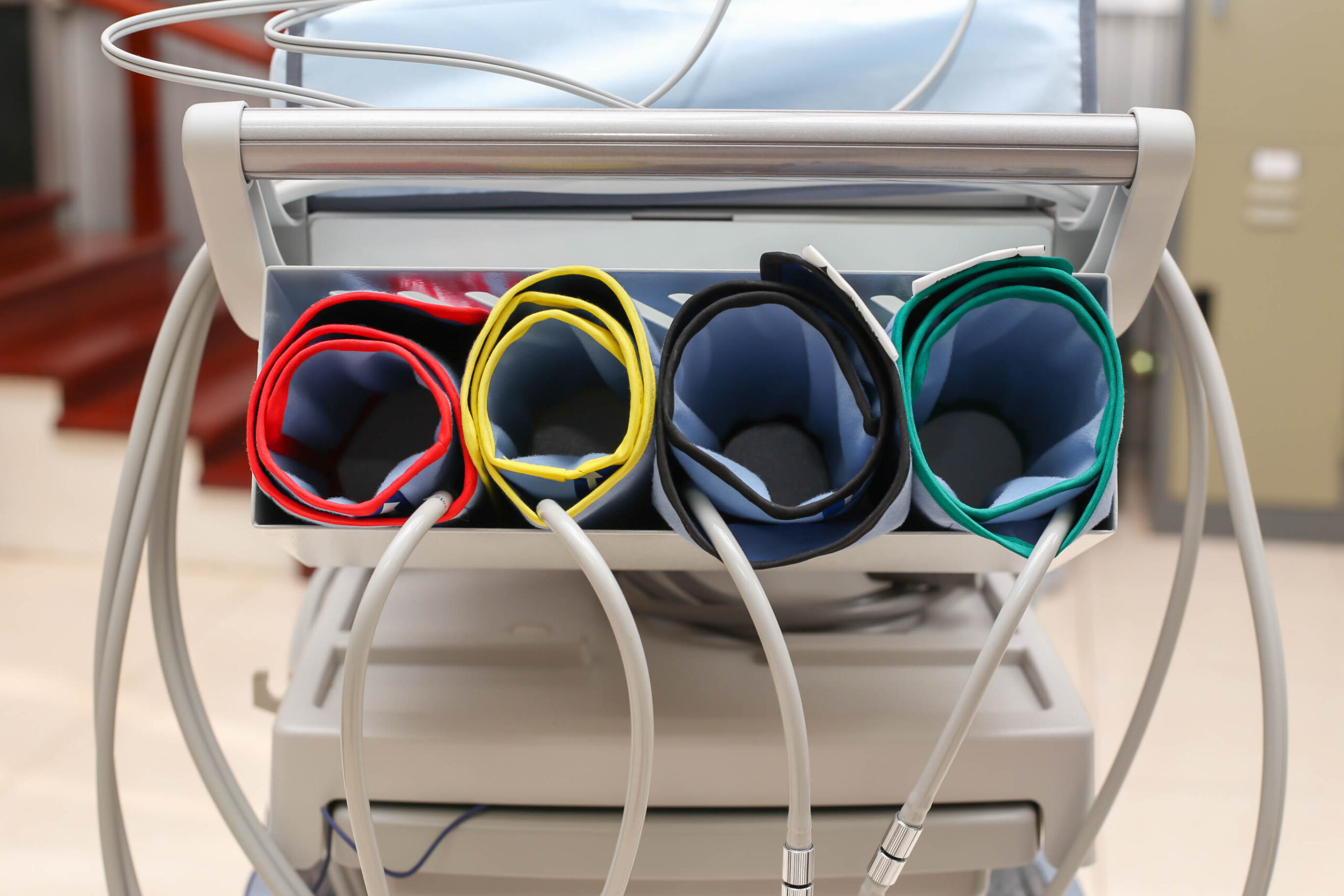
If your calves, thighs, or hips tighten up or cramp when you walk and ease up when you stop, it could be more than a muscle issue. This pattern, sometimes called claudication, can be a sign of reduced blood flow from PAD. Many people assume it's tied to aging, posture, or a joint problem, but circulation is often worth a closer look. A vascular evaluation can help clarify what's actually going on.

A foot sore that's been treated for weeks or months without closing may not just be a wound care issue. Poor circulation can slow or stall healing, which is one reason some wounds keep coming back despite careful management. If you or your podiatrist have been struggling with a sore that won't close, having your circulation checked can help identify whether PAD is part of the picture.

When even small cuts, blisters, or scrapes take far longer to heal than expected, circulation is sometimes part of the reason. This is especially worth considering in patients with diabetes, where PAD can go undetected for years. If your podiatrist is managing slow-healing wounds, a vascular workup can help confirm whether reduced blood flow is contributing and guide the next steps in treatment.

Toes that look pale, bluish, purple, or darker than usual can be a sign that blood isn't reaching them well. Other possible clues include skin that feels cold, looks shiny, or has lost hair, or a foot that turns red when lowered and pale when raised. Changes like these are sometimes early signs of PAD, and a vascular evaluation can help determine whether circulation is the underlying issue.

About Us
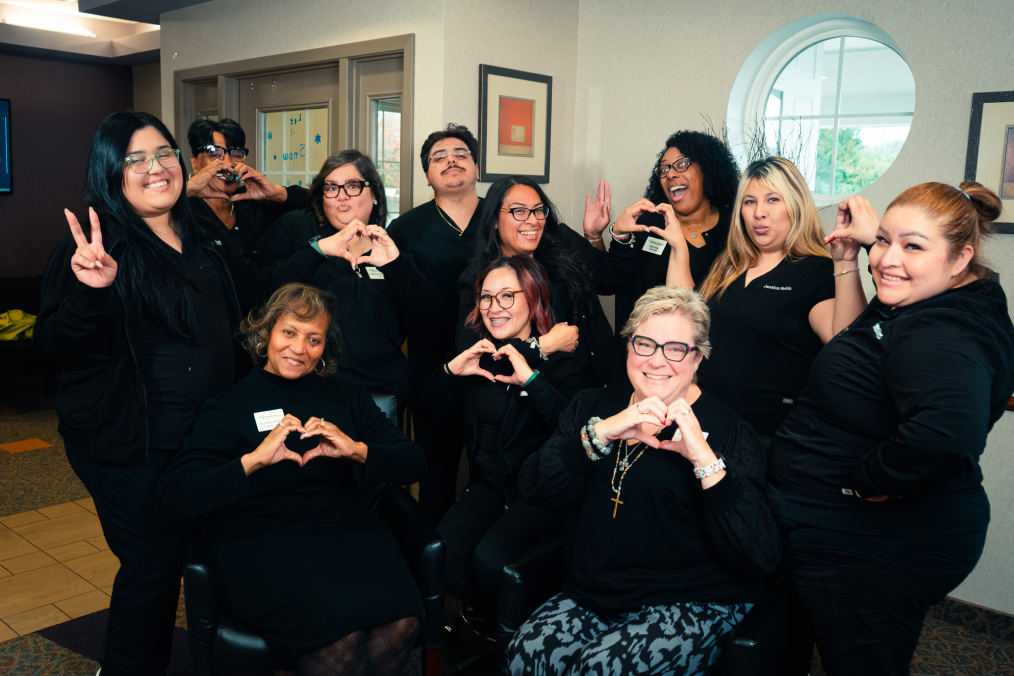
The Experience

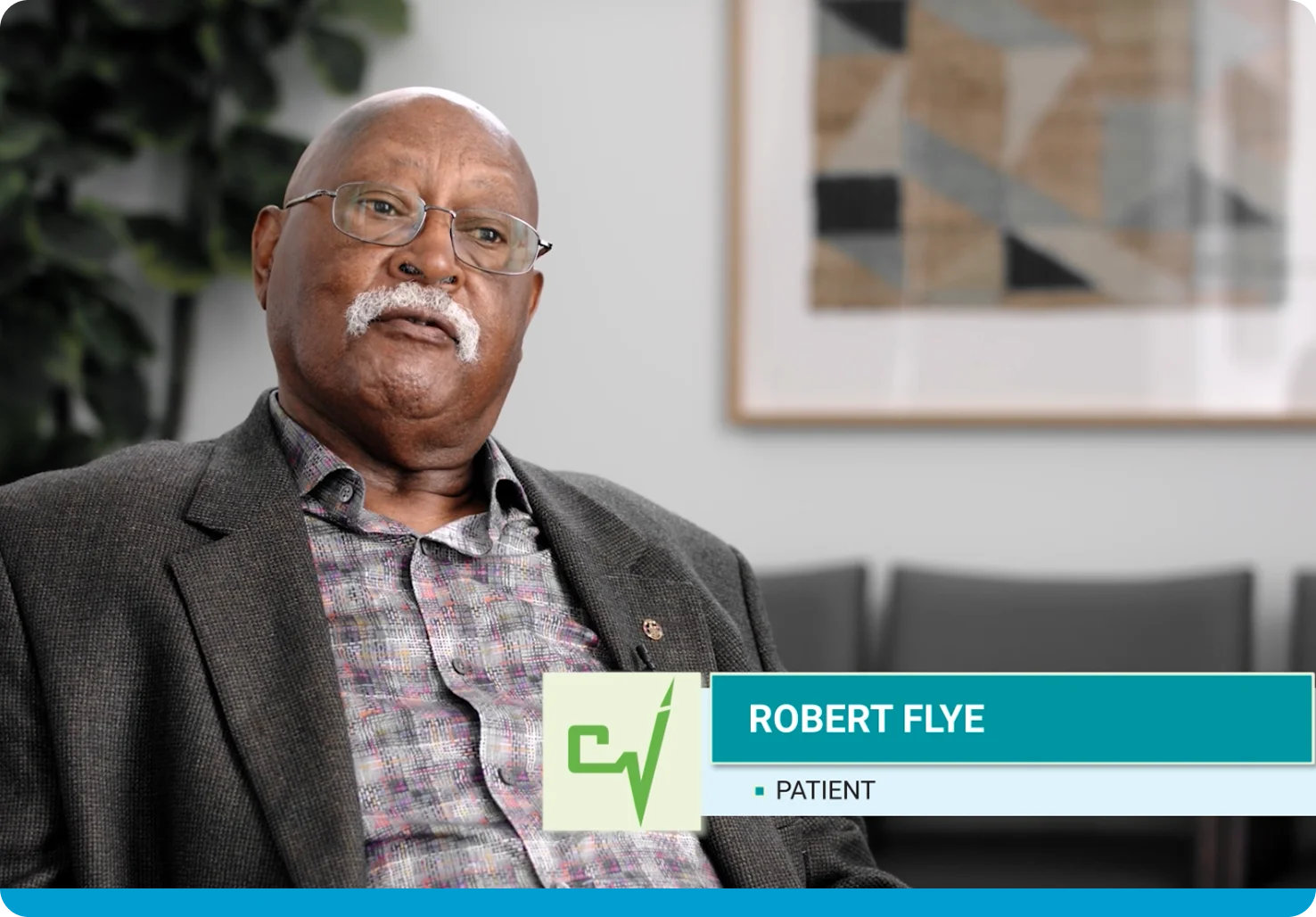
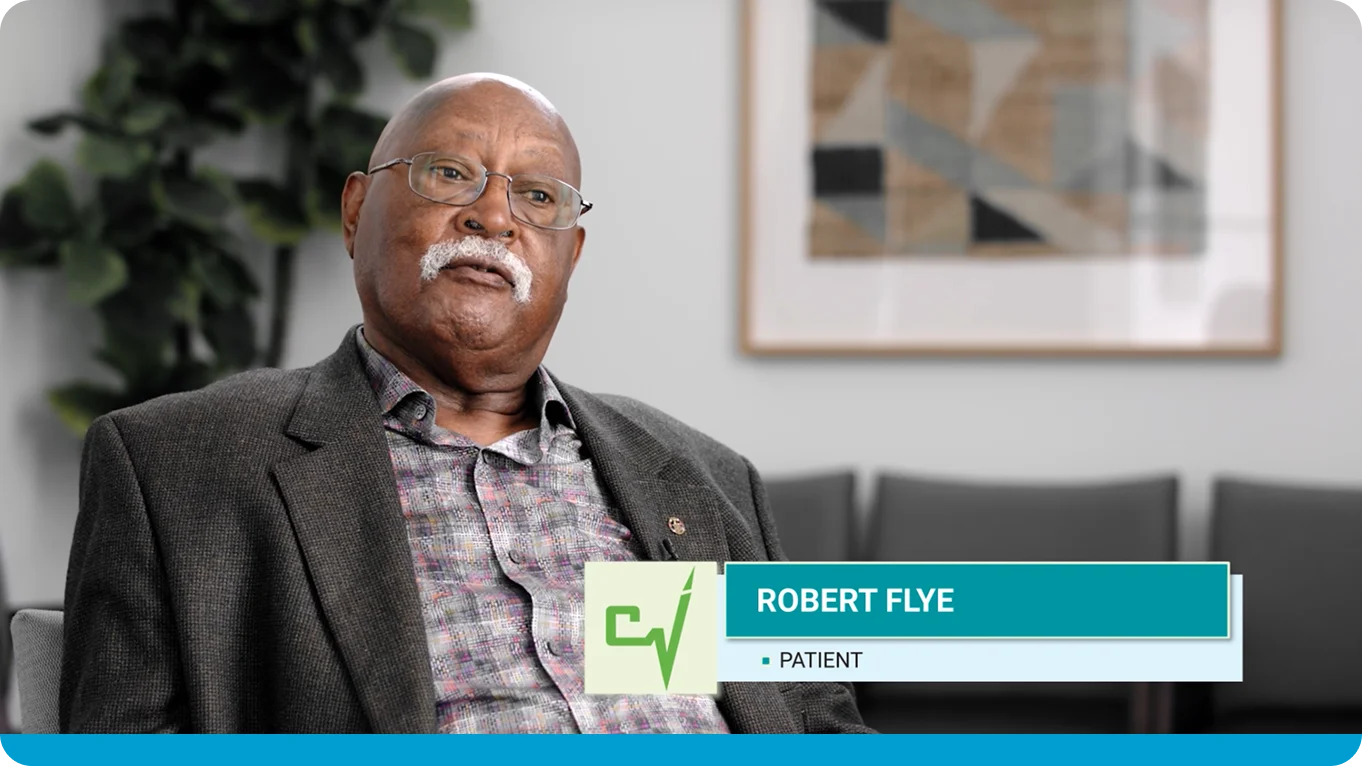
“It’s not just a clinic, it is a community.”

About Us
About Us
About Us
The Experience

“It’s not just a clinic,
it is a community.”

About Us
The Experience
Client Stories

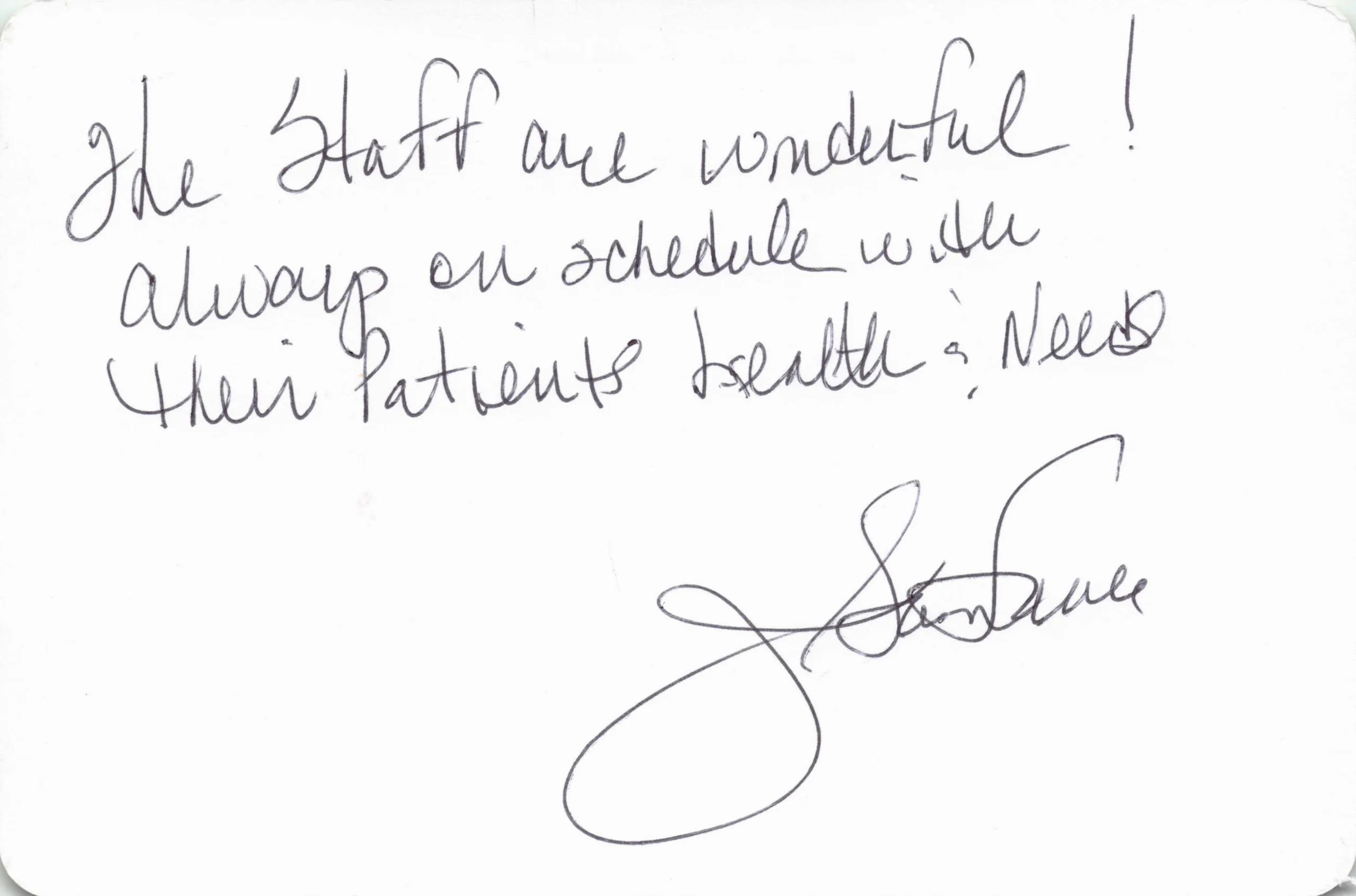
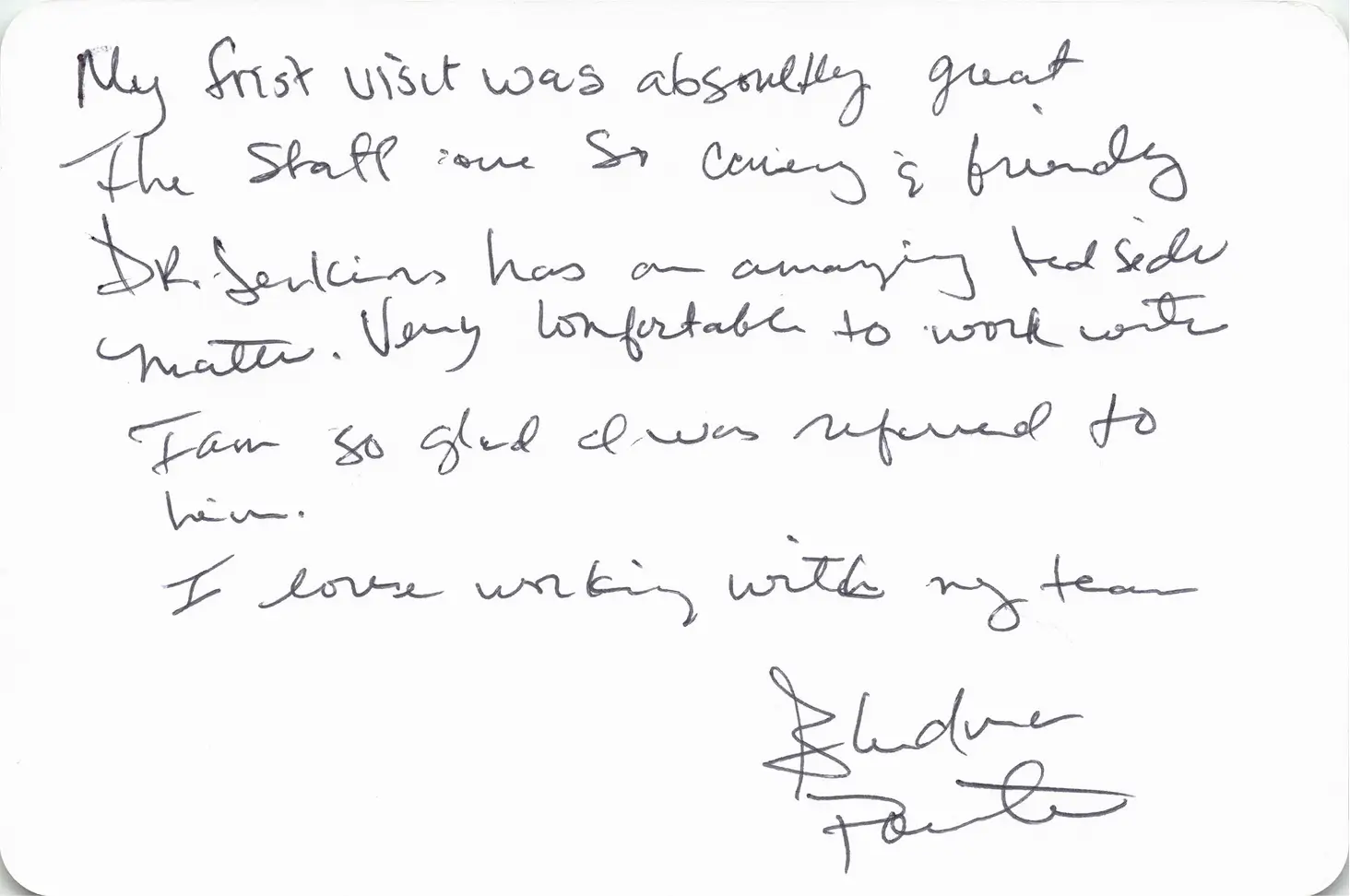
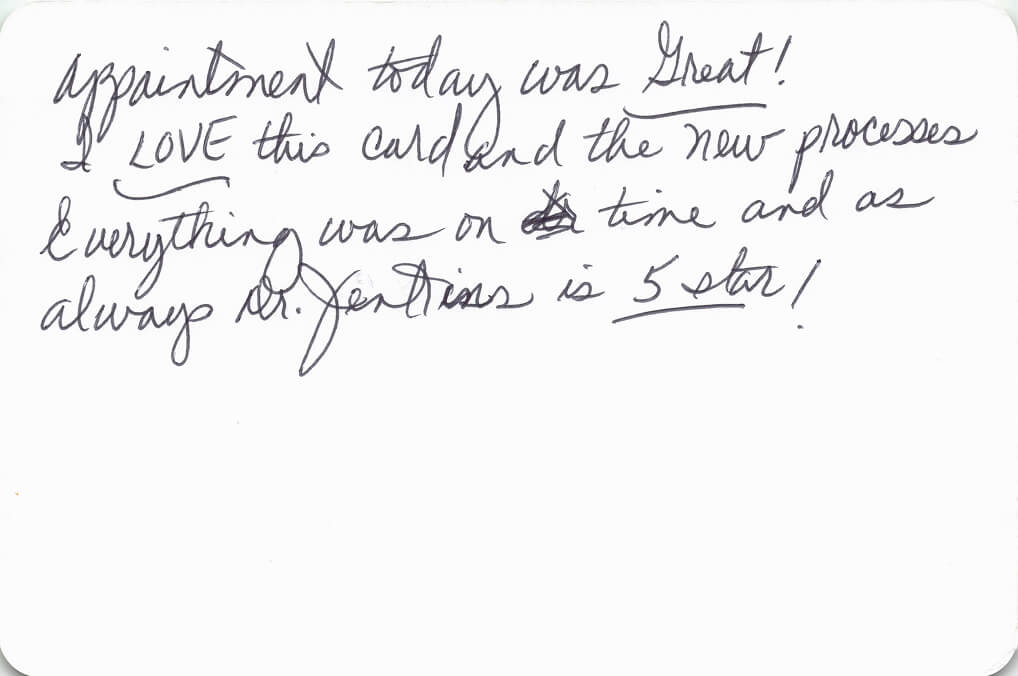
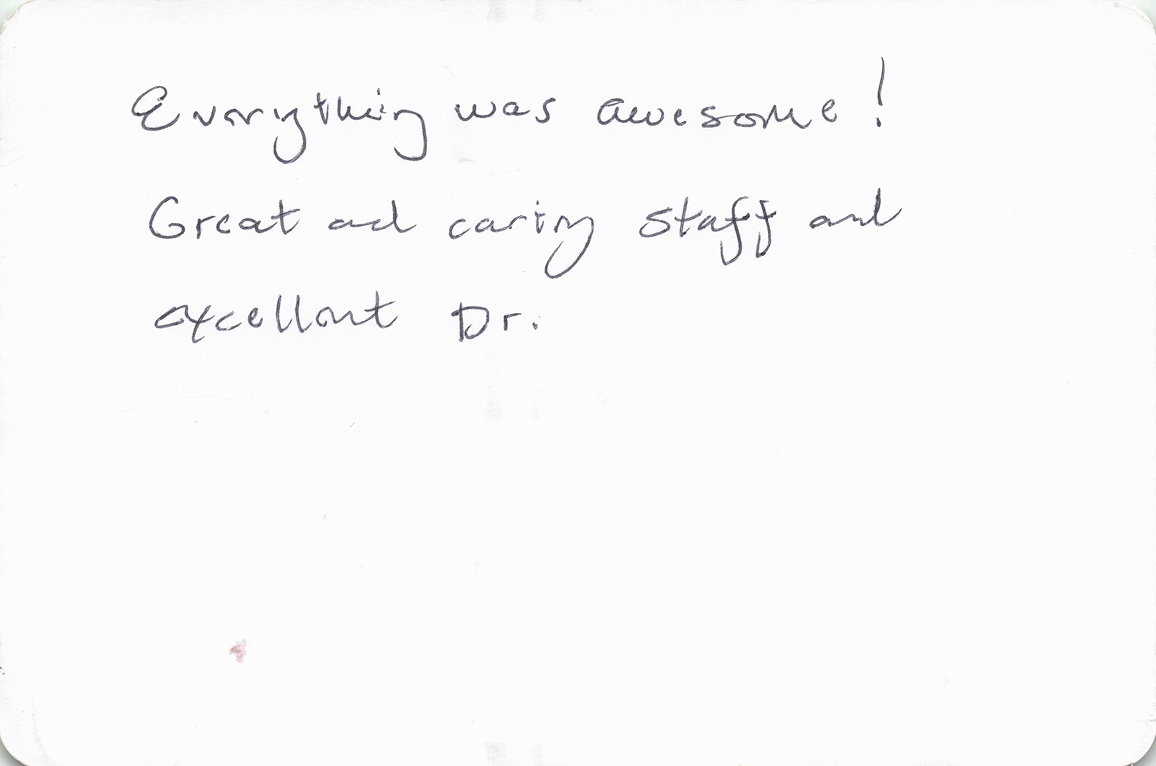
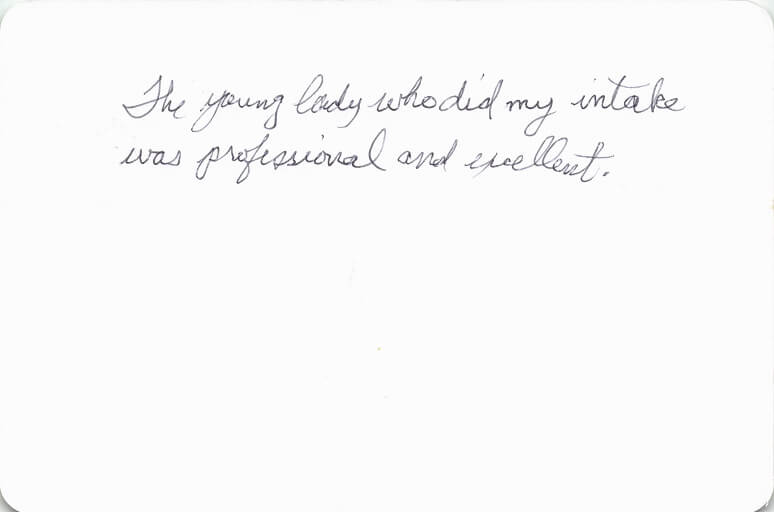
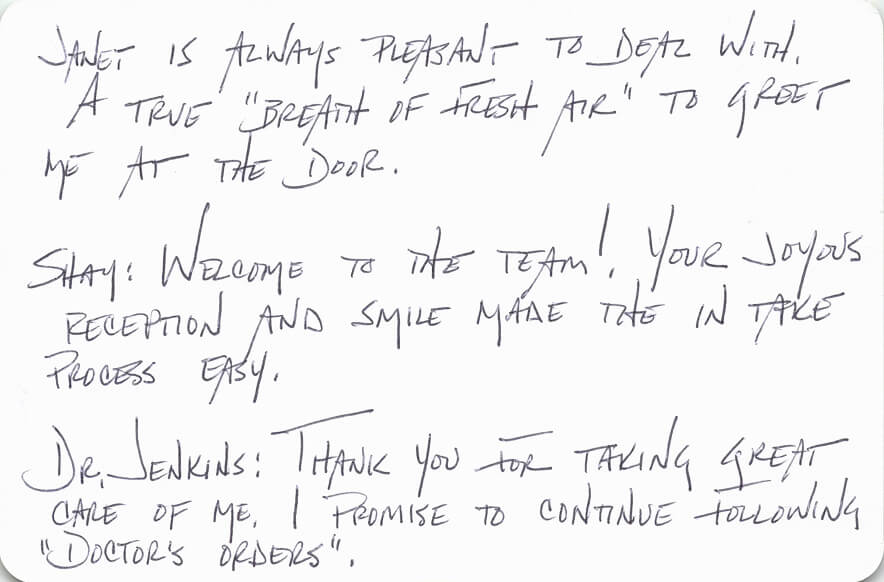
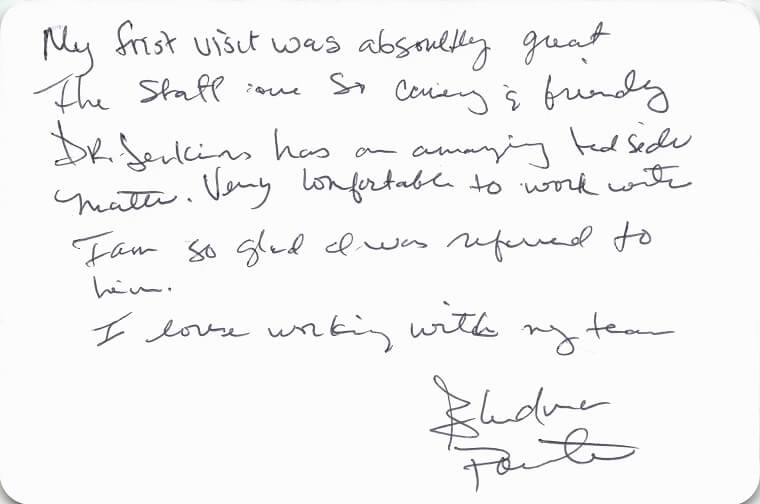
“Dr. Jenkins and his staff has been have been what no other Dr in the DFW area could ever be,Dr Jenkins from day one accomplished more than previous Docs’ did in three years..Dr Jenkins and his staff are truly rock stars!”

Troy K.

“Entire staff was great to my mom, my sister and me. All we’re very courteous and friendly to us. I would definitely come back.”

R. Morgan

“I was very pleased with my recent visit and medical procedure at the Medical Facility at 455 Llewelyn. The entire staff was exceptional. The receptionist was very warm, friendly and professional. The nurse was very reassuring and thorough in explaining each step of my procedure. She made me feel very relaxed and comfortable throughout. Thank you to Dr. Bowen and the staff for everything! The facility is also extraordinary.”

Annie S.
About Us
About Us
About Us
Reviewed
on Google
About Us
Our Mission
About Us
CVIG exists to protect and restore heart health through clinical excellence while actively closing healthcare disparities through outreach, education, and community-driven solutions.
About Us
About Us
About Us
About Us
About Us
About Us
About Us
About Us
About Us
About Us
About Us
About Us
About Us
About Us
About Us
About Us
Schedule a Consultation
Changing Lives by Changing Hearts
About Us
About Us
Schedule a Consultation
Your Wellness Starts with a Conversation
About UsAbout Us
The information on this website is for general information purposes only. Nothing on this site should be taken as advice for any individual case or situation. This information is not intended to create, and receipt or viewing does not constitute a client relationship.