When to See a Cardiologist for a Stress Test
- posted: Oct. 29, 2025
Heart health plays a vital role in overall wellness, yet many people may not realize when it’s time to have their heart evaluated. One of the most effective diagnostic tools for assessing cardiovascular function is a stress test. At The Cardiac and Vascular Interventional Group in South Dallas, TX, the cardiology team uses stress testing to help detect early signs of heart disease and ensure patients receive the care they need to stay healthy and active.
What Is a Stress Test?
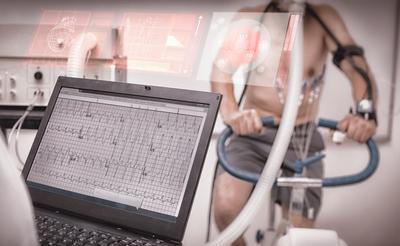
A stress test, also called an exercise stress test or treadmill test, measures how the heart responds to physical activity. During the test, patients typically walk on a treadmill or pedal a stationary bike while their heart rate, blood pressure, and ECG (electrocardiogram) are monitored.
By increasing the heart’s workload in a controlled setting, cardiologists can evaluate how well blood flows through the heart and identify potential problems—such as restricted blood flow or irregular rhythms—that may not be noticeable at rest.
When to Consider a Stress Test
There are several reasons why a cardiologist may recommend a stress test. Understanding the signs and risk factors can help patients know when it’s time to schedule an appointment.
- Chest Pain or Discomfort
If you experience chest tightness, pressure, or pain during activity, it may indicate reduced blood flow to the heart. A stress test can help determine whether these symptoms are heart-related. - Shortness of Breath or Fatigue
Unexplained shortness of breath, especially during exercise, may be an early sign of heart disease. A stress test helps identify whether the heart is receiving enough oxygen during physical exertion. - Irregular Heartbeats or Palpitations
If you notice fluttering, pounding, or skipped beats, a cardiologist may recommend a stress test to evaluate heart rhythm under stress. - Family History of Heart Disease
Individuals with a family history of heart attack or coronary artery disease may benefit from a baseline stress test, particularly if they have additional risk factors like high blood pressure, diabetes, or high cholesterol. - Follow-Up After a Cardiac Event or Procedure
Stress testing is often used after a heart attack, angioplasty, or bypass surgery to monitor recovery and determine the effectiveness of treatment.
What the Results Can Reveal
Stress tests provide valuable insight into how the heart functions during exertion. Results can show:
- The presence of blocked or narrowed arteries
- The heart’s electrical activity and rhythm
- How well treatment plans or medications are working
- Whether exercise restrictions are necessary
If any abnormalities are found, your cardiologist may recommend further testing—such as imaging studies or cardiac catheterization—to better understand the underlying condition.
Why See a Cardiologist for a Stress Test
A stress test should always be performed under the supervision of a board-certified cardiologist. The specialists at The Cardiac and Vascular Interventional Group in South Dallas, TX, have the expertise and technology to perform comprehensive cardiac evaluations safely and accurately. Their patient-focused approach ensures that each test is tailored to your health history, comfort level, and risk profile.
By identifying issues early, the cardiology team can help prevent more serious complications, such as heart attacks or heart failure, through timely intervention and personalized treatment.
Protect Your Heart Health
If you’ve been experiencing chest discomfort, shortness of breath, or have a family history of heart disease, it may be time to schedule a cardiac stress test. Early testing can make a lasting difference in your long-term health.
Contact The Cardiac and Vascular Interventional Group in South Dallas, TX, to learn more or schedule an appointment today.
Call: (469) 437-3560
Taking proactive steps now can help keep your heart strong and healthy for years to come.
Contact Us
Plan Your Visit
425 S Llewellyn Ave,
Dallas, Texas 75208, US
(877) 269-8890
